
Sevilma Academy
Whilst accessing information is easier than ever before, our connection with nature is gradually weakening. We consume food but do not know how it is produced. We talk about the soil but do not touch it. We care about biodiversity but, more often than not, we only know it from books. Sevilma Academy was founded precisely to address this issue.
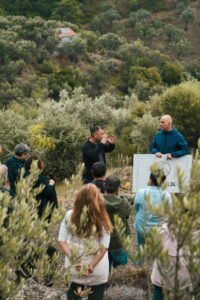
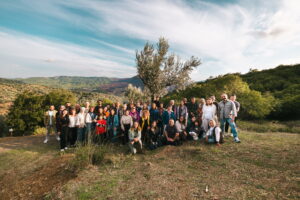
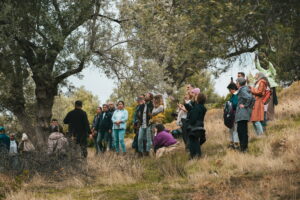
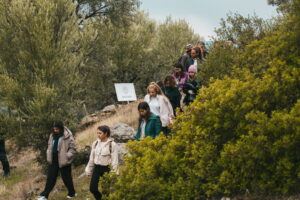
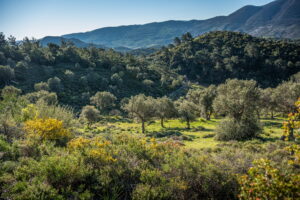
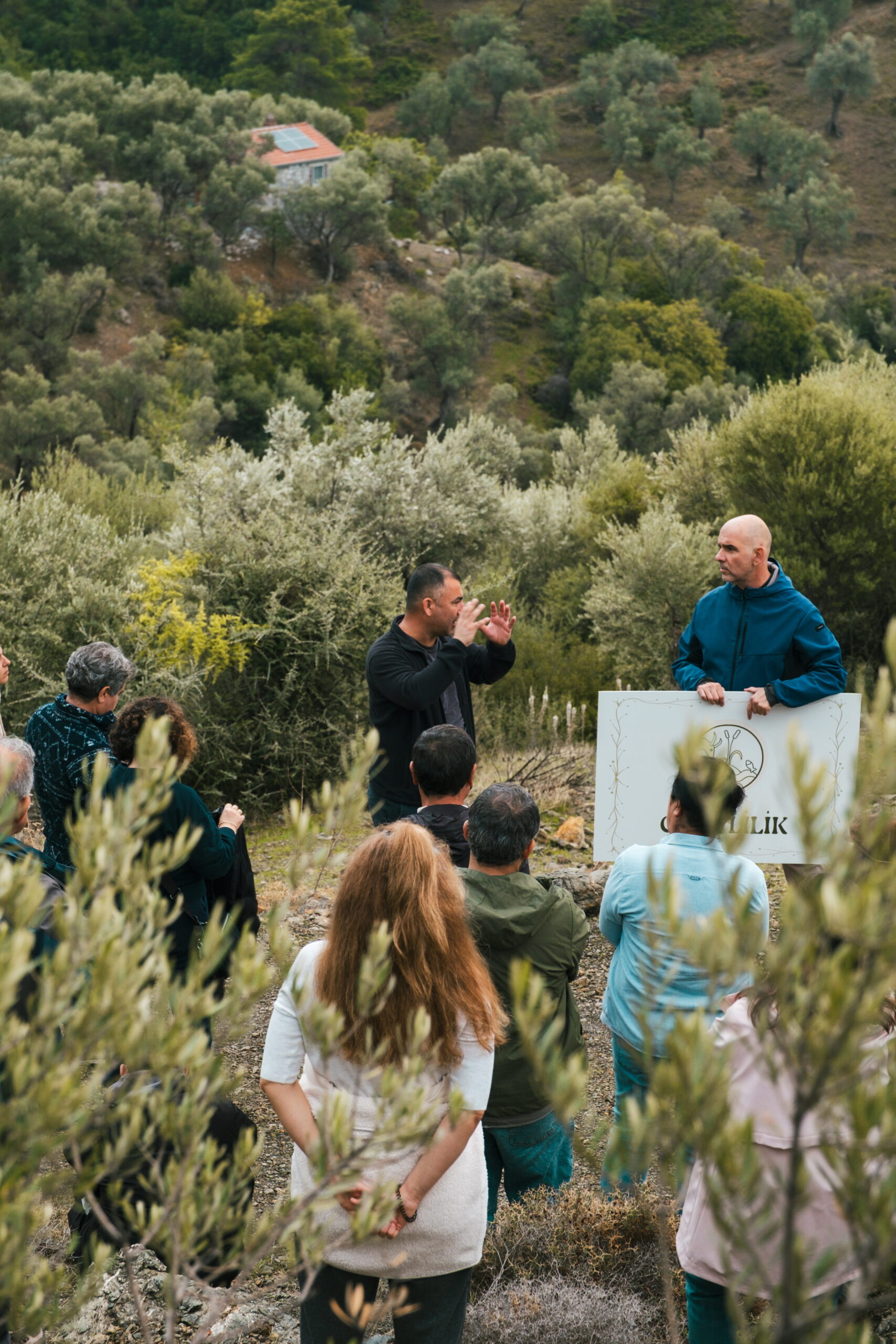
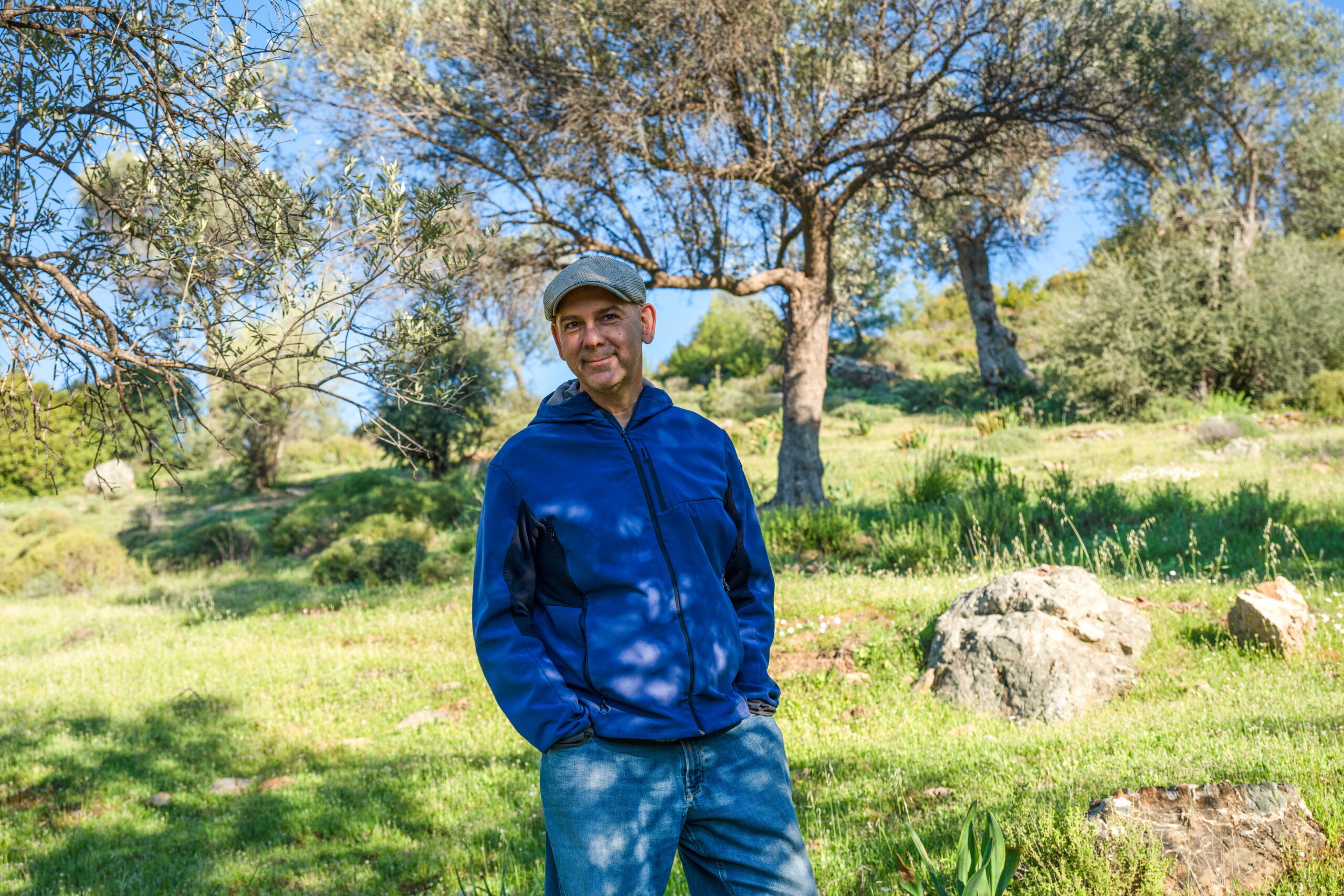
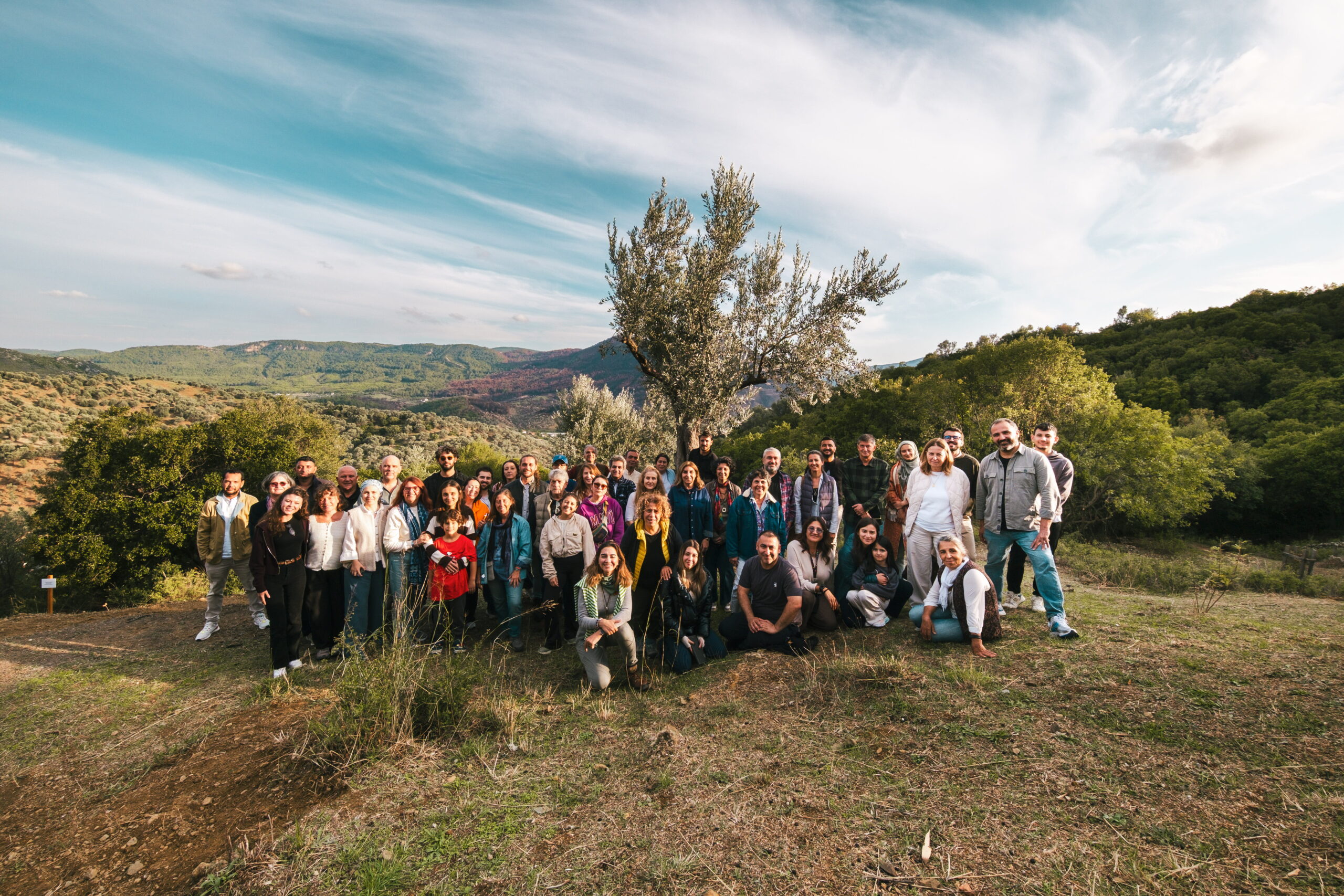
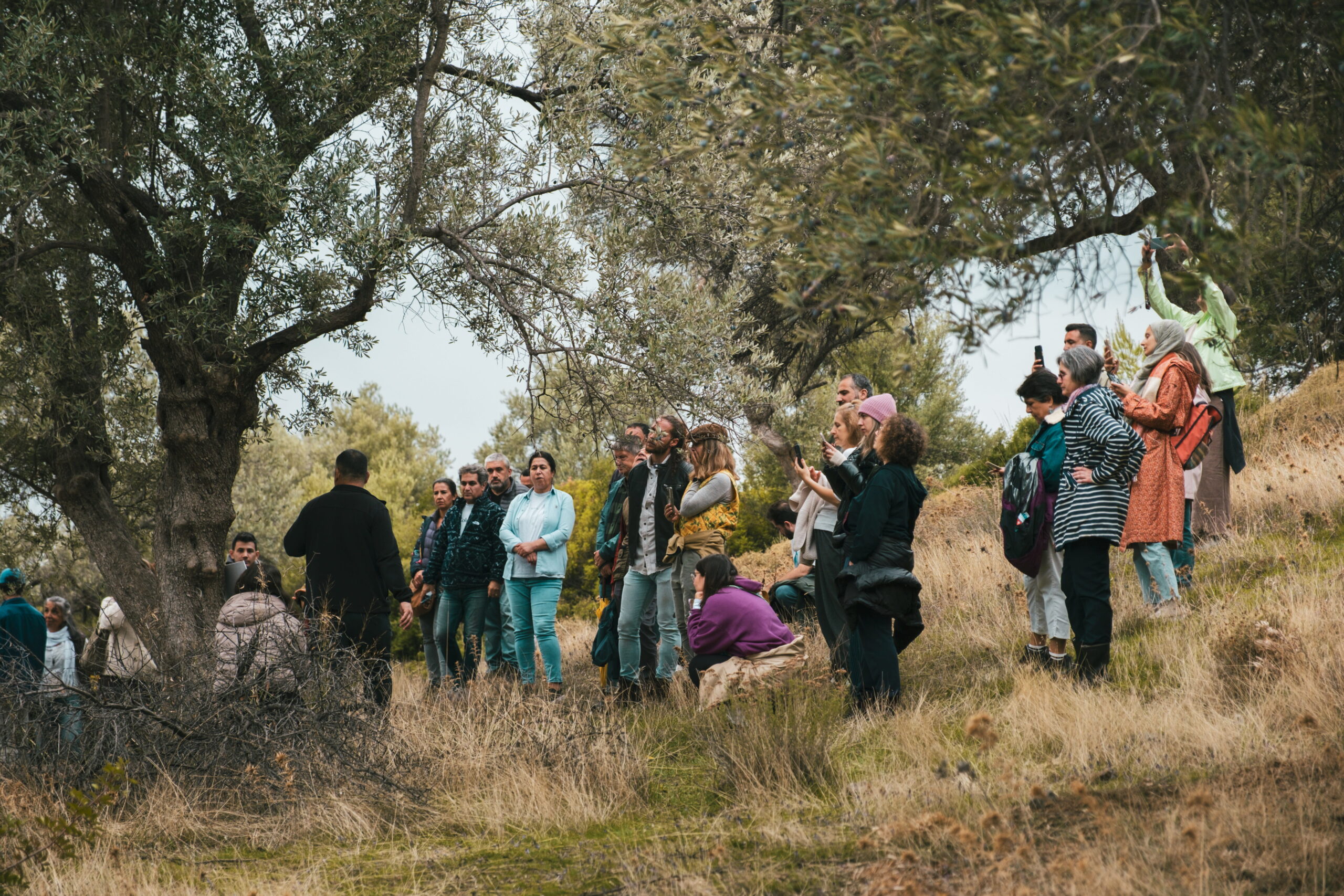
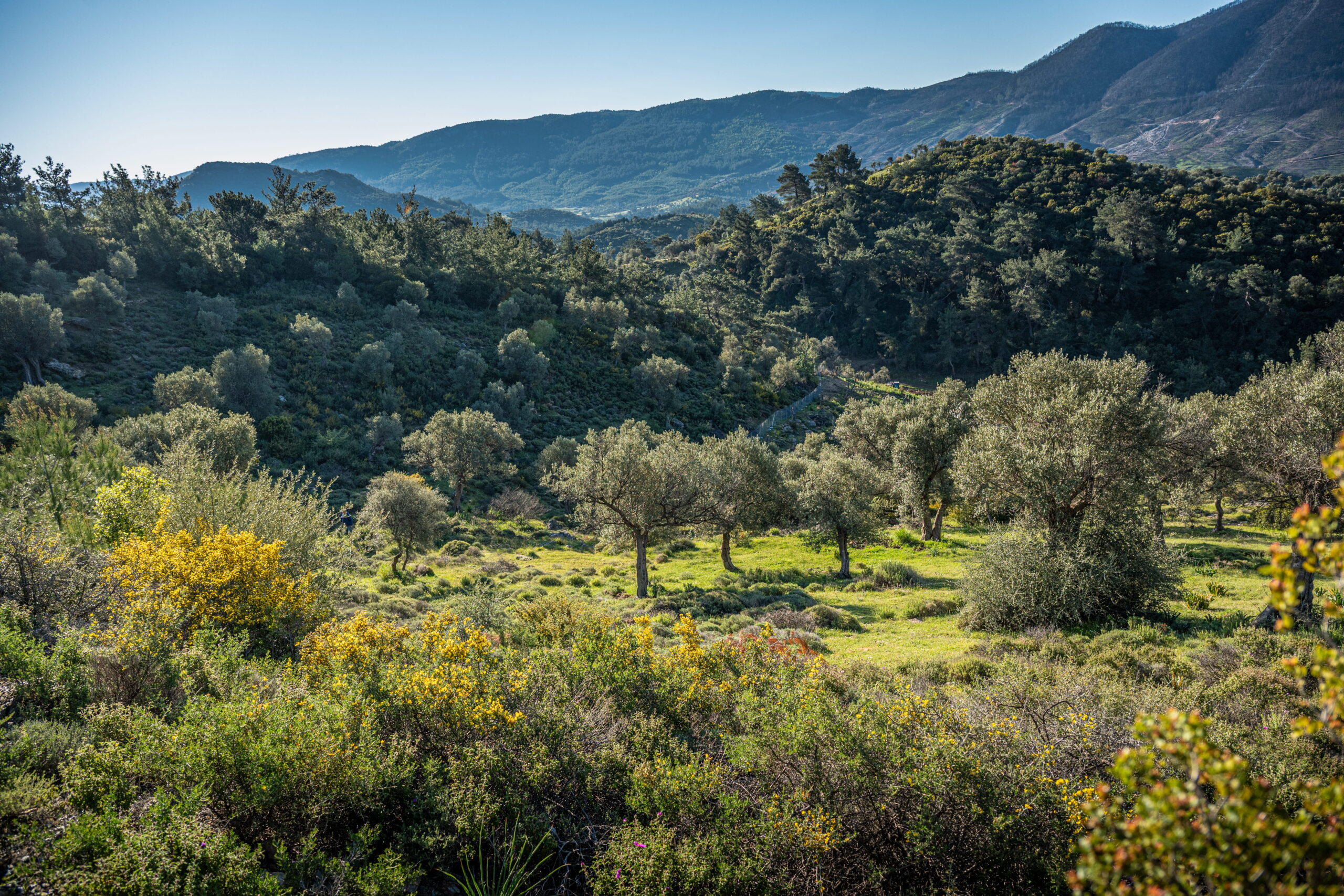
The classes at Sevilma Academy are not confined to four walls. The courses take place at the Sevilma Garden—Turkey’s first Slow Food Farm—following the cycles of nature. Sometimes in the shade of an olive tree, sometimes on the ground, sometimes amongst the wild herbs, and sometimes amidst the conversation of people sharing the same table, learning continues. Because nature is not something to be merely told about; it is a magnificent library to be experienced first-hand. The Ercan Baba Olive Oil Mill and the Yücel Sönmez Olive Oil Library, both located within the garden, offer unique experiential spaces for visitors.
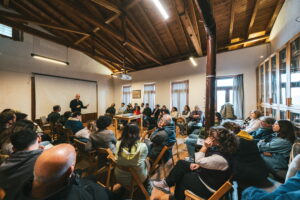
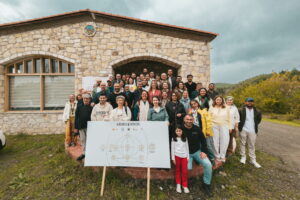
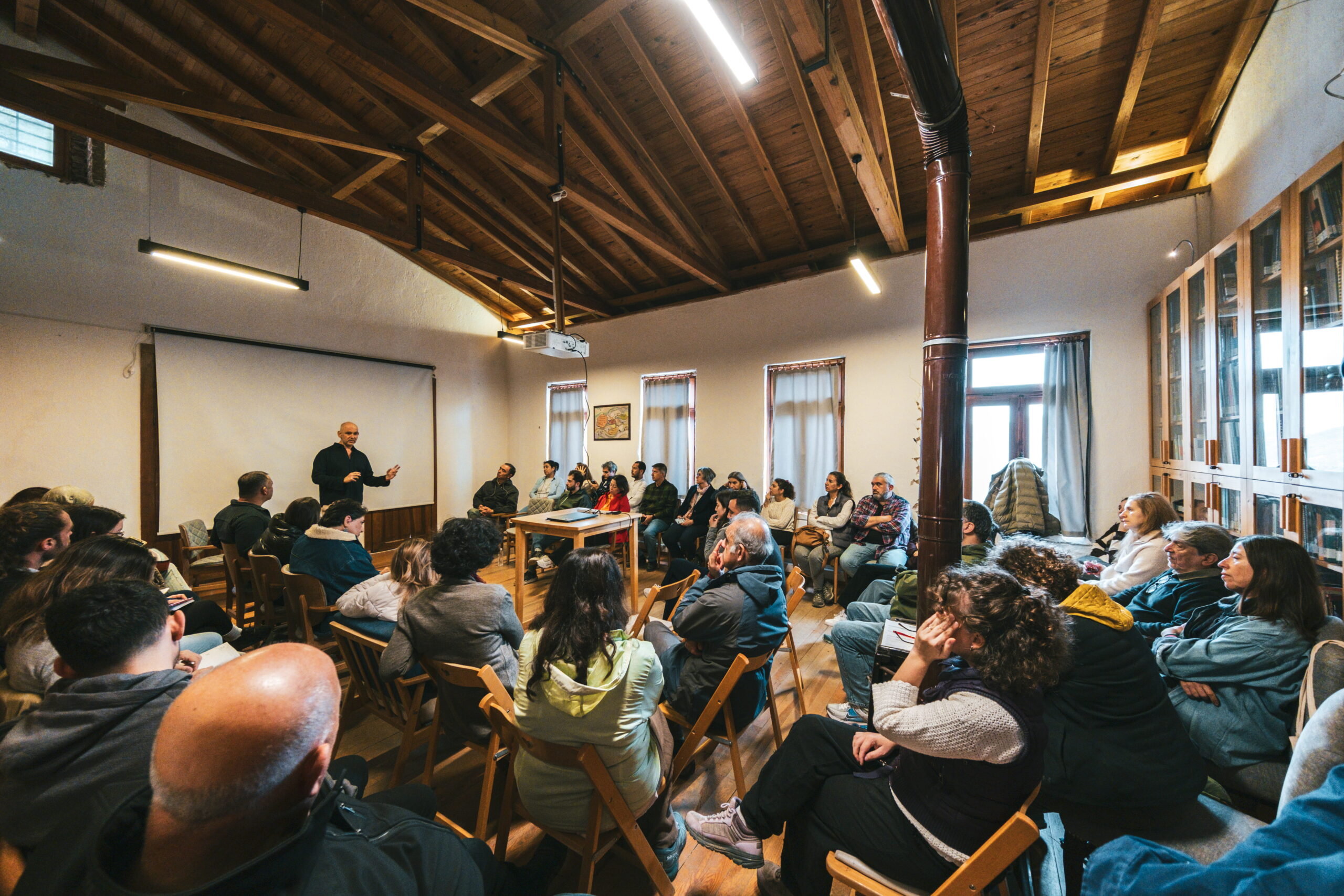
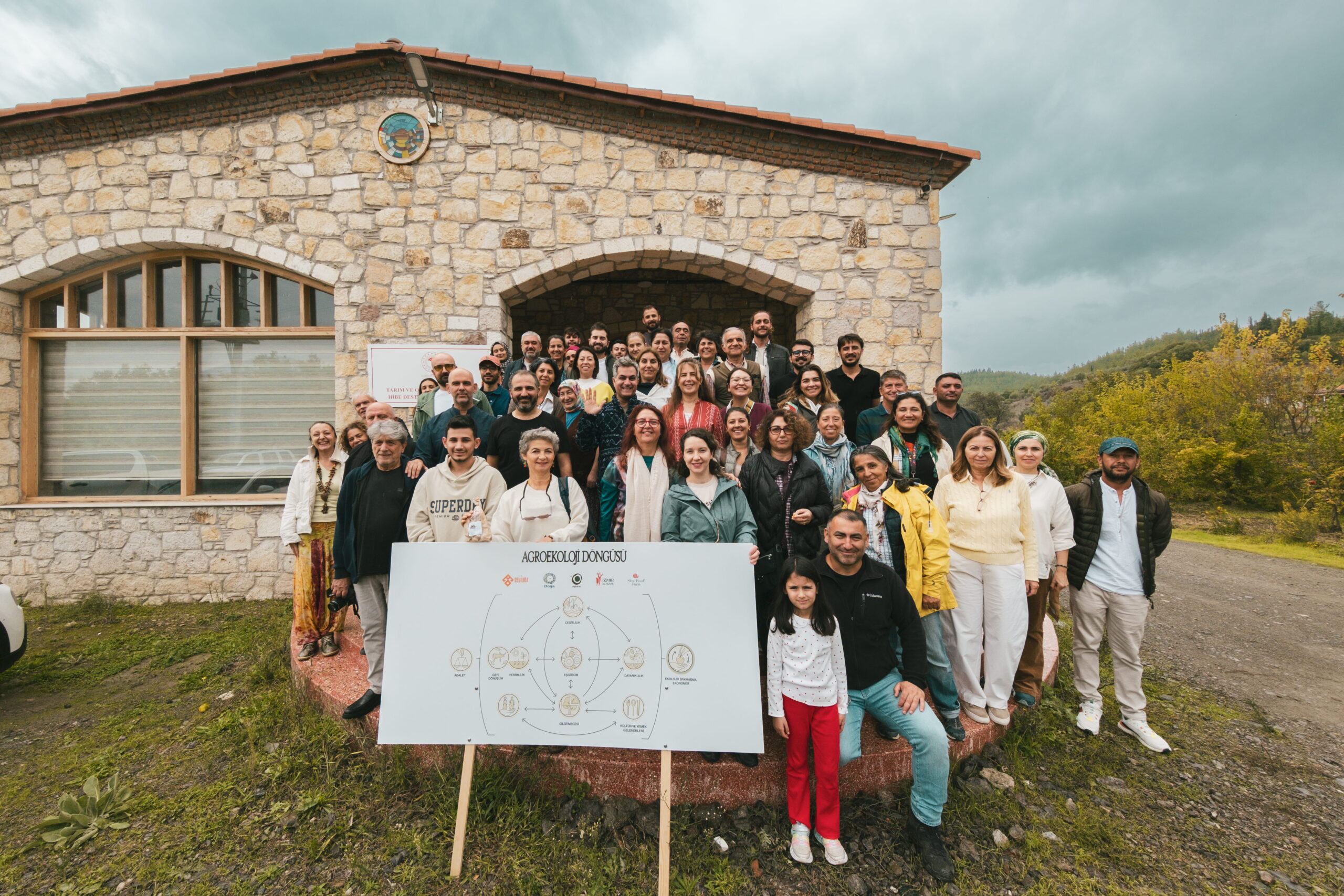
Sevilma Academy brings together everyone with an interest in good, clean, fair food and nature on a shared journey of learning. At each gathering, our guests are joined by chefs, experts, producers and masters of an ancient tradition. Here, everyone is both a speaker and a listener. Because knowledge grows when different experiences and a shared curiosity come together.
Good food is not merely the result of high-quality raw materials, but of the right relationship with nature. It is impossible to understand agriculture without understanding the soil, production without protecting biodiversity, or gastronomy without preserving culture. For this reason, the Sevilma Academy is committed to re-strengthening the bond between nature and humankind, bringing together ancient knowledge of production with today’s scientific approaches, and fostering dialogue across different disciplines.
The workshops, field sessions, talks and themed gatherings organised throughout the year are structured around this approach. From agroecological farm design to the Aegean’s wild edible plants, from sensory analysis of olive oil to Mediterranean gastronomy, and from soil health to biodiversity, every programme aims not merely to impart new knowledge, but to encourage participants to view nature through a different lens.
Sevilma Academy focuses on living in harmony with nature and healthy eating Agroecology Courses, bringing the flavour of the soil to the table Gastronomy Workshops and bringing their little hands into contact with nature Children’s Workshops offers a unique experience.
Agroecology Courses: Environmentally Friendly Farming
You can reserve the Sevilma Olive Grove exclusively for you and your loved ones on your most special occasions. With special menus featuring produce freshly harvested from our grove and our own certified olive oils, you can enjoy a genuine gastronomic experience that takes you from the field to the table. Under the shade of the trees, whilst sharing unforgettable moments with your loved ones, you can savour the unique pleasures of nature and fine food.
This training programme is aimed at amateur and professional growers who wish to grow food without harming the environment, those interested in an ecological lifestyle, and those who wish to look after their land.
- Aims of the Courses: To convey, both theoretically and practically, agroecological farming techniques that are integrated with nature’s water, soil and seed cycles, do not use chemical pesticides or artificial fertilisers, and support biodiversity.
- Programme Content:
- Nature Literacy: An understanding of environmental literacy that enables us to view nature not as an adversary to agriculture, but as a partner to the farmer. The principles governing which plants thrive best where.
- Living Soil: How to sow seeds, how to plant seedlings, how healthy food grows from seed to table, practical techniques. Soil fertilisation techniques.
- Water Management and Drought-Resilient Agriculture: Rainwater harvesting, water retention and climate-resilient landscape design.
- Pesticide-Free Pest Control: Natural, homemade mixtures, plant arrangements that attract beneficial insects, and agroecological methods, rather than chemical pesticides.
- Biodiversity and “To the Wolf, the Bird, and the Bread”: Methods for creating wildlife corridors within farms and preserving ecosystem balance.
- Learning outcome: Participants gain the basic knowledge and mindset needed to grow produce in their own gardens or on their balconies, free from chemicals and in harmony with nature’s own cycles.
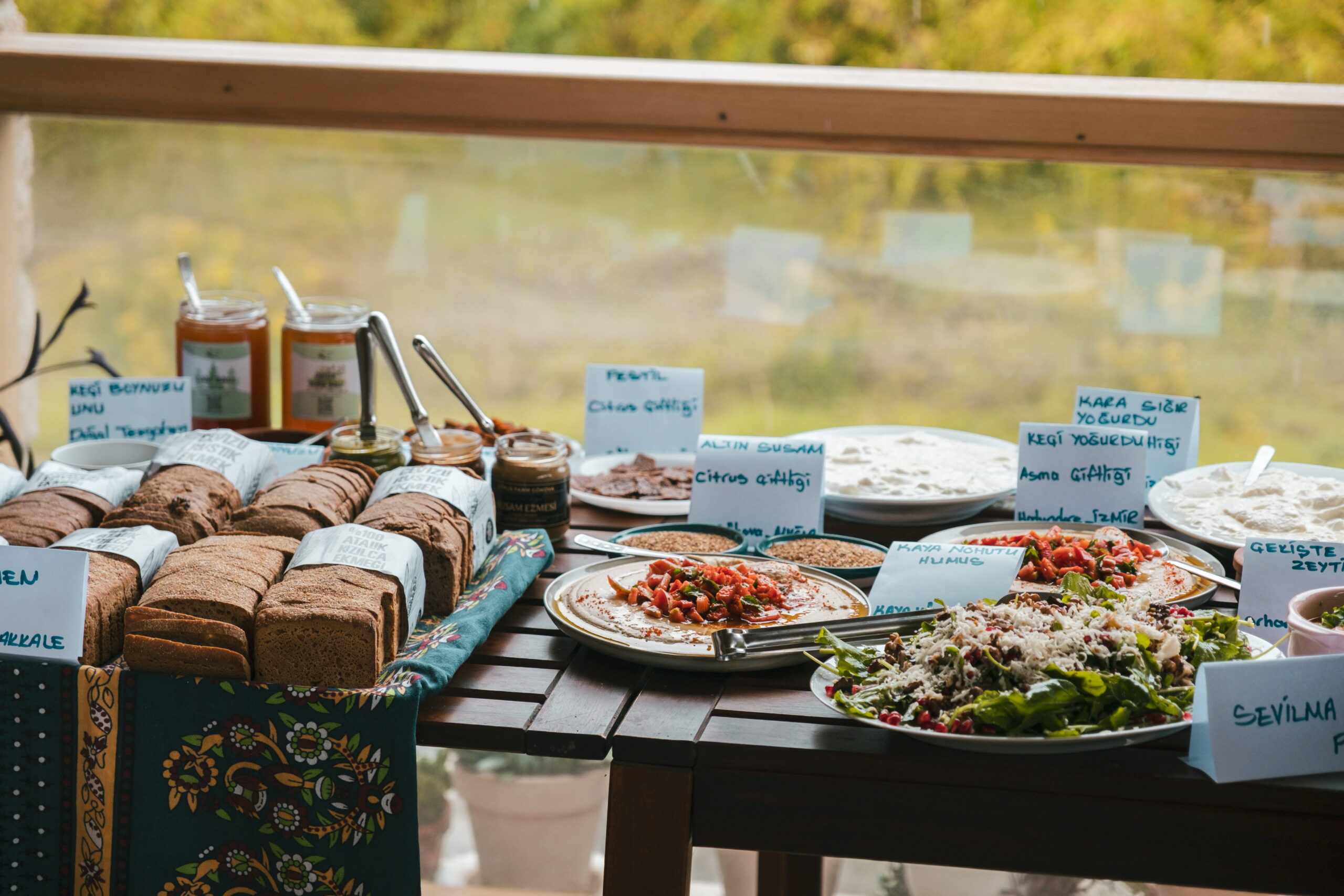
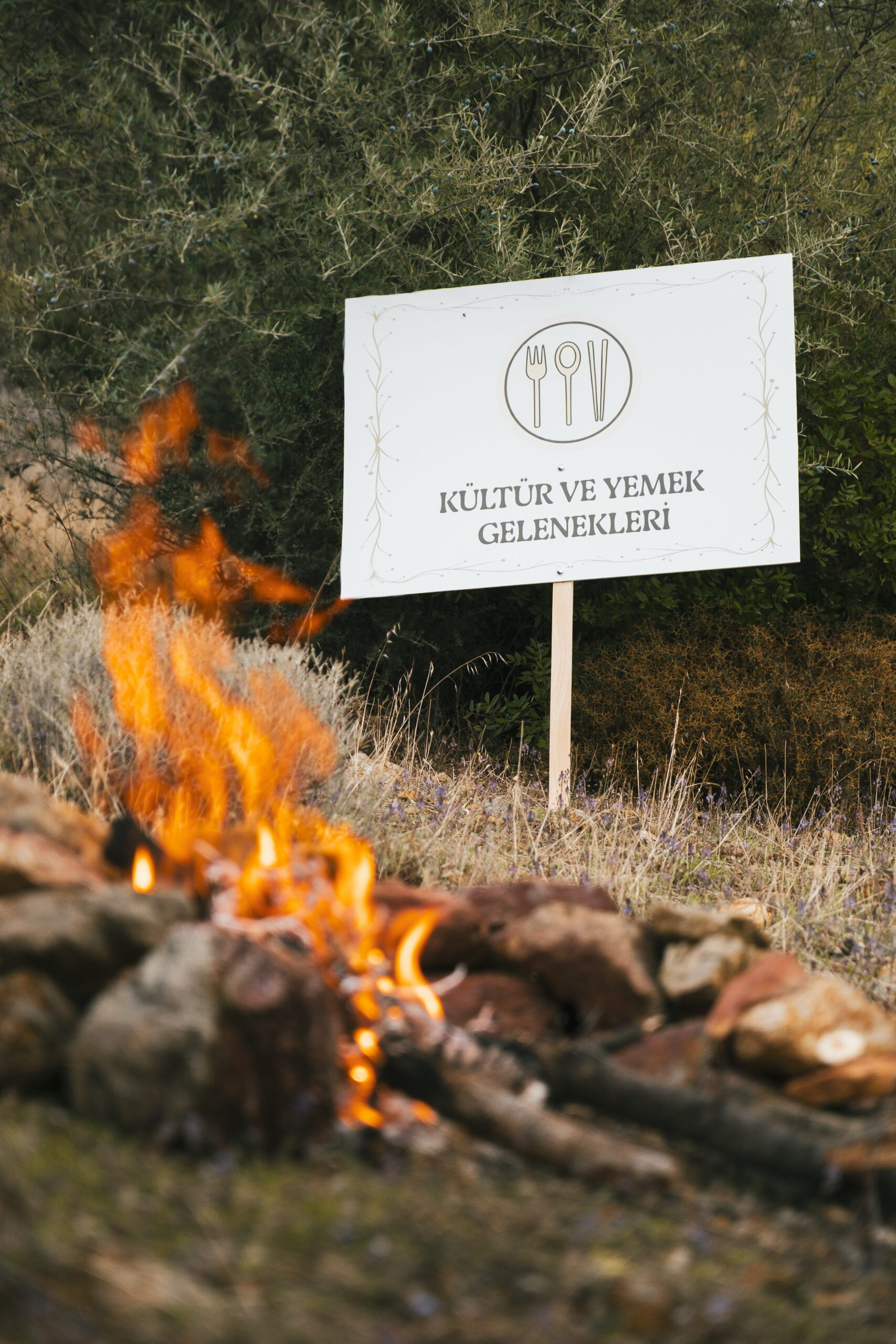
Gastronomy Workshops: Good, Clean and Fair Food from Farm to Table
Offering a sensory and hands-on experience that brings the concepts of delicious and fair food—at the heart of the Slow Food movement—to the kitchen worktop, these workshops are a unique option for all food enthusiasts.
- Purpose of the Events: To introduce participants to authentic flavours beyond mass-produced food, to share techniques for preparing and preserving seasonal and pesticide-free food, and to keep the culture of olive oil alive.
- Programme Content:
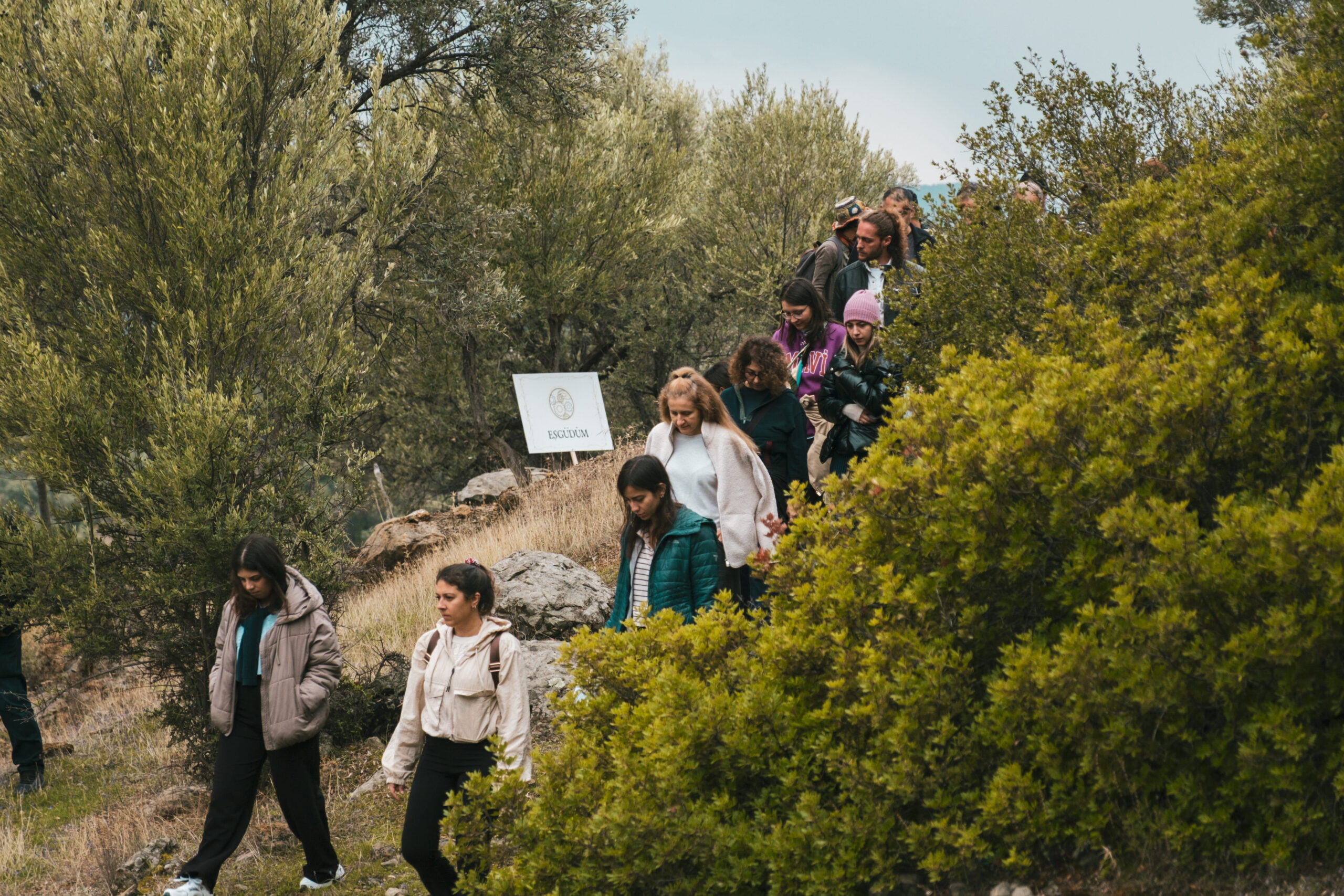
- Garden Harvest: Before heading to the kitchen, take a tour of the farm to hand-pick the seasonal vegetables, herbs and crops that will be cooked that day.
- Olive Oil and Tasting Literacy: Distinguishing between defective and flawless olive oil, sensory tasting techniques, and the definition and use of high-quality olive oil.
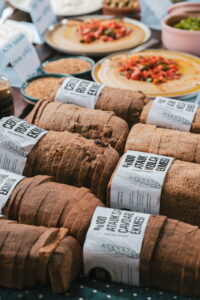
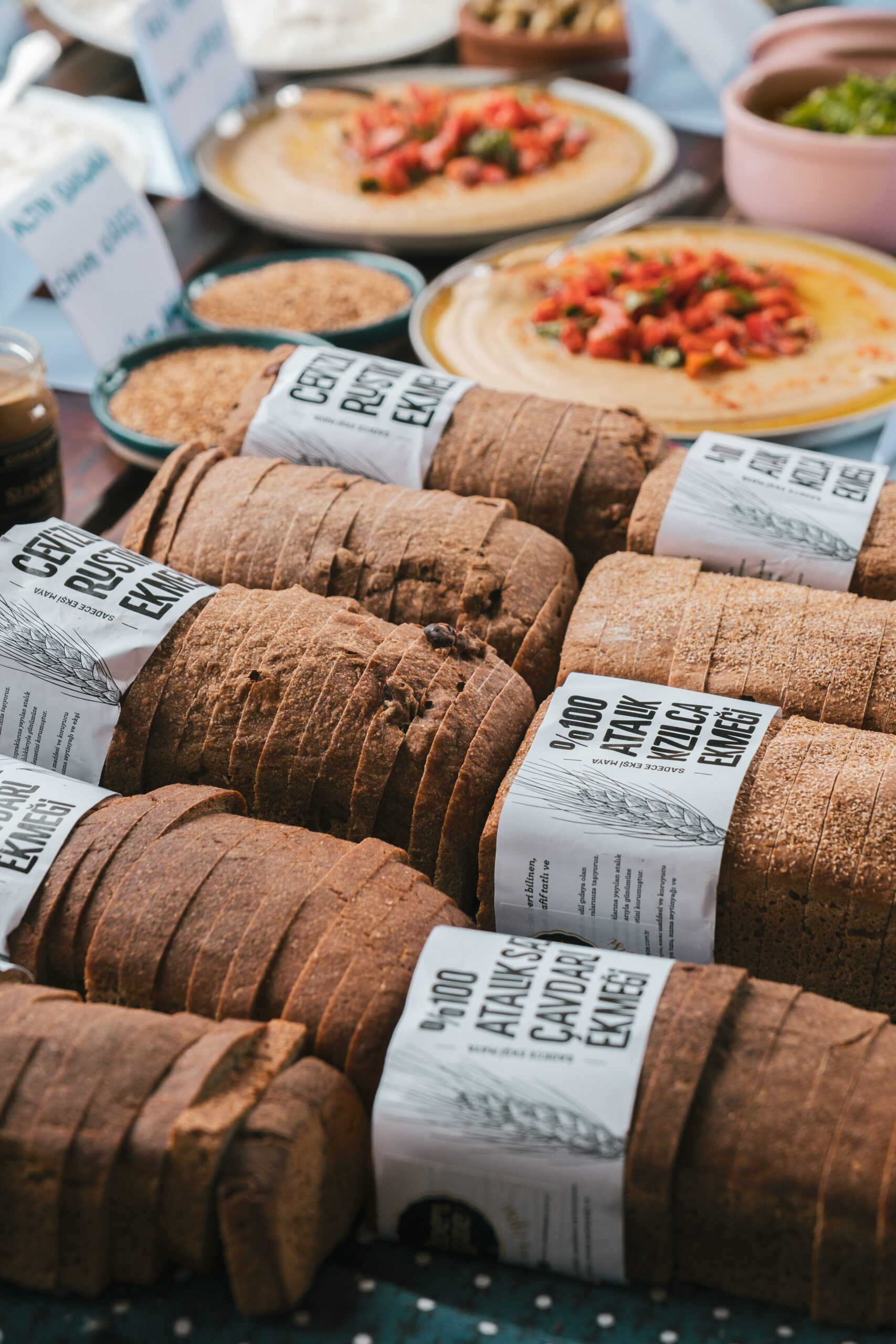
- Ancient Cuisine and Fermentation: Workshops on traditional dishes made with local herbs, additive-free sourdough, natural pickles, grape molasses, pomegranate syrup and olive curing.
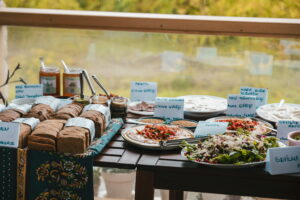
- Communal Dining Table: Enjoying all the dishes prepared together in the shade of centuries-old olive trees, accompanied by the Slow Food philosophy and conversation.
- Learning outcome: Participants witness the food production process, develop an awareness of what it means to be an informed consumer, and learn ancient culinary techniques that are in danger of being forgotten.
Children’s Workshops: Little Hands Meet the Clay
These are nature-based educational workshops designed to help children step away from screens and connect with nature, whilst discovering where food comes from through hands-on experience and by engaging their senses.
- Purpose of the Events: To instil in children, from an early age, an awareness of the environment, a love of biodiversity and an understanding of food, whilst enabling them to explore nature freely.
- Programme Content:
- The Soil’s Unsung Heroes: Observing all the living things, trees and birds in the garden; learning the principle of “the wolf, the bird, the tree” through stories.
- A Journey from Nature to the Table: The experience of picking fruit and vegetables with your own hands, sowing seeds and watering the seedlings.
- Nature Art and Sensory Games: Creating works of art from mud and fallen olive leaves and cones; getting to know plants and soil by smelling and touching them.
- Little Chefs at Work: Preparing healthy, additive-free snacks using non-toxic ingredients gathered from the farm.
- Learning outcome: Children gain first-hand experience of respect for food and nature; their motor skills, sense of curiosity and awareness of their responsibility towards the environment develop.
 Türkçe
 English (UK)